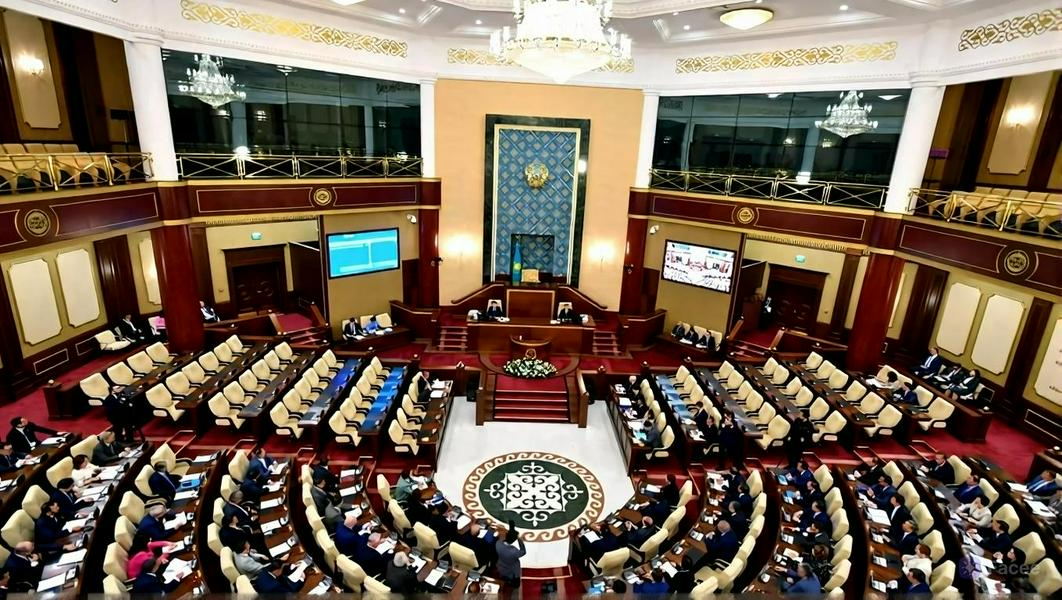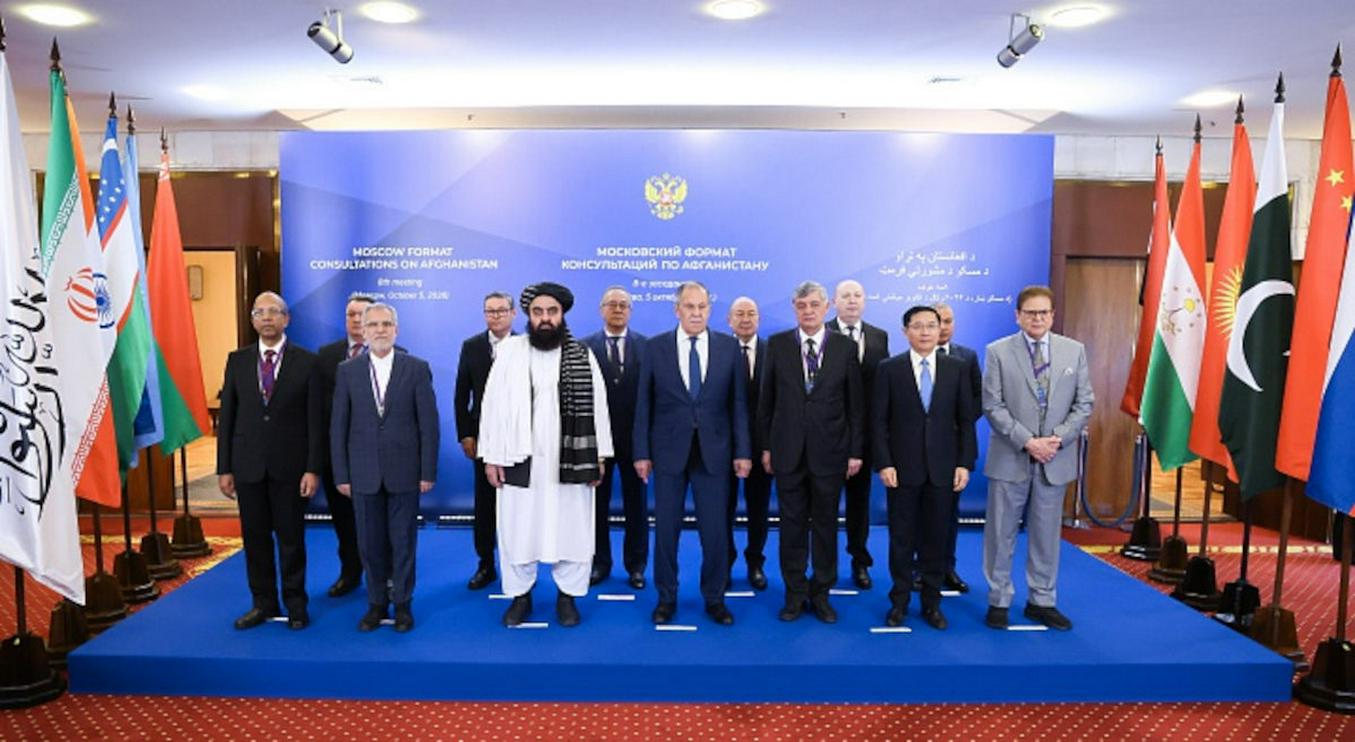
On October 5, Moscow hosted the eighth meeting of the Moscow Format of consultations on Afghanistan. Representatives of Russia, Afghanistan, India, Iran, Kazakhstan, China, Kyrgyzstan, Pakistan, Tajikistan and Uzbekistan took part, while delegations from Belarus and Egypt attended as guests. The Russian Foreign Ministry reported that participants confirmed their commitment to developing equal cooperation with Kabul and to integrating Afghanistan into international economic ties.
However, the participants failed to agree on a joint final statement. Zamir Kabulov, the Russian President's Special Representative for Afghanistan, said the reason was disagreement between the Afghan and Pakistani delegations. According to him, the Afghan side objected to wording that mentioned Afghanistan too often in the context of terrorism. Kabulov noted that similar wording had appeared in last year's final document, but Kabul now considers it unacceptable.
The Russian envoy stressed that the lack of a joint statement does not mean the end of the Moscow Format. In his words, the platform is intended mainly to coordinate regional cooperation, not to settle bilateral disputes between Afghanistan and Pakistan. Kabulov confirmed that consultations within the format will continue.
Security was the main topic of the Russian-Afghan part of the meeting. Russian Foreign Minister Sergey Lavrov said that Moscow considers it necessary to strengthen Afghanistan's counterterrorism capacity and is ready to provide Kabul with material, technical and expert assistance, as well as to support contacts between intelligence services and law enforcement agencies. He noted the actions of Afghan security forces against the «Islamic State» and other terrorist groups.
Lavrov also expressed Moscow's interest in further economic cooperation with Afghanistan, pointing to the growth of the Afghan economy, the fight against drugs and the implementation of regional infrastructure projects. At the same time, he again spoke out against the deployment of NATO military infrastructure in Afghanistan and neighboring countries, linking such a presence to growing regional instability.
Lavrov also held separate talks with Afghan Foreign Minister Amir Khan Muttaqi. The Russian Foreign Ministry said the two sides discussed prospects for bilateral cooperation and coordination at international and regional forums.
For the Afghan side, relations with Pakistan were among the central topics. After the Moscow consultations, Muttaqi said that the differences between the two countries can be resolved through dialogue and diplomacy. According to him, Kabul does not want the conflict with Islamabad to turn into an endless exchange of accusations and propaganda, but considers the right to self-defense against aggression lawful and inalienable.
Kabul denies Pakistan's accusations that militants use Afghan territory to organize attacks inside Pakistan. Islamabad, for its part, accuses the Taliban authorities of harboring armed groups. Relations between the two countries have deteriorated sharply in recent months.
Russia said it is ready to help resolve the Afghan-Pakistani conflict. Kabulov said that Moscow can assist the parties, either on its own or together with other partners, if both sides request it. According to him, participants in the Moscow Format urged Afghanistan and Pakistan to refrain from military action and seek a political and diplomatic solution.
Thus, Moscow and Kabul confirmed their intention to develop bilateral cooperation, but the consultations produced no joint final document. The disagreements centered on how to assess the terrorism threat in Afghanistan and unfolded against the backdrop of the ongoing conflict between Kabul and Islamabad. The Russian side emphasized that the absence of a final statement does not call into question the future work of the Moscow Format.