 Photo from bigasia.ru
More than 25,000 Tajik citizens living in areas set to be flooded by the Rogun Hydroelectric Power Plant still do not know where they will be relocated. It is also unclear whether the authorities will provide compensation, reports Radio Ozodi, the regional service of Radio Free Europe/Radio Liberty.
The government decided in 2008 to resume construction of the Rogun HPP, announcing the forced resettlement of villagers whose homes fall within the project zone. The plant requires a vast reservoir, meaning several settlements will be fully submerged.
Farmer Mukim Khasanov told journalists that his family, like thousands of others, remains in limbo. Construction is banned on their land because it will eventually be underwater. Although officials allocated a plot in another district, he lacks the funds to build a new home.
Property valuations were conducted years ago, but no compensation has been paid. Meanwhile, prices have surged. “A wooden board used to cost 50 somoni (about $5.5); now it’s 150 somoni (over $16),” Khasanov said.
He added that neither compensation amounts nor payment timelines have been clarified. Khasanov traveled to Dushanbe to seek answers from the Directorate of the Rogun HPP Flood Zone but was unable to meet any officials, who all cited being busy.
According to Ozodi, a new settlement, Roguniyon, was established near Dushanbe in 2012 to house some of those displaced. However, residents report broken promises: instead of the promised 20–30 ares of land, they received smaller plots. Land for children was also promised but never delivered, leaving large families crowded into single homes.
There are also complaints about poor soil unsuitable for farming, as well as unreliable electricity and water supplies. As a result, many residents have left for labor migration in Russia. Some families are satisfied with their new conditions, but they remain a minority.
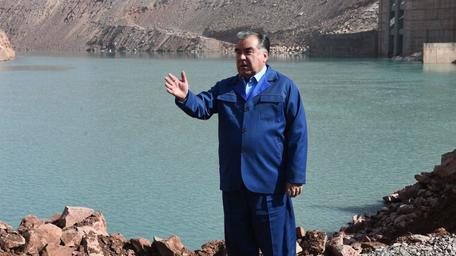
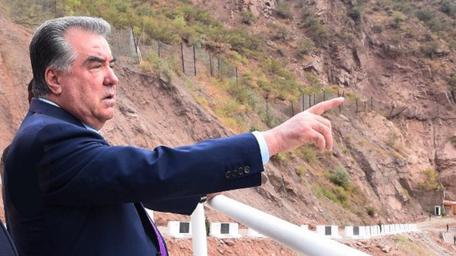
Officially, around 50,000 people were slated for resettlement due to the Rogun project. Last summer, President Emomali Rahmon said 15,000 had received housing and land elsewhere.
Authorities say resettled citizens are eligible for a one-time payment of $10–$20 per person and can apply for concessional loans of up to $540.
The cost of the Rogun HPP has continued to rise, from $3 billion in 2008 to more than $6 billion today.
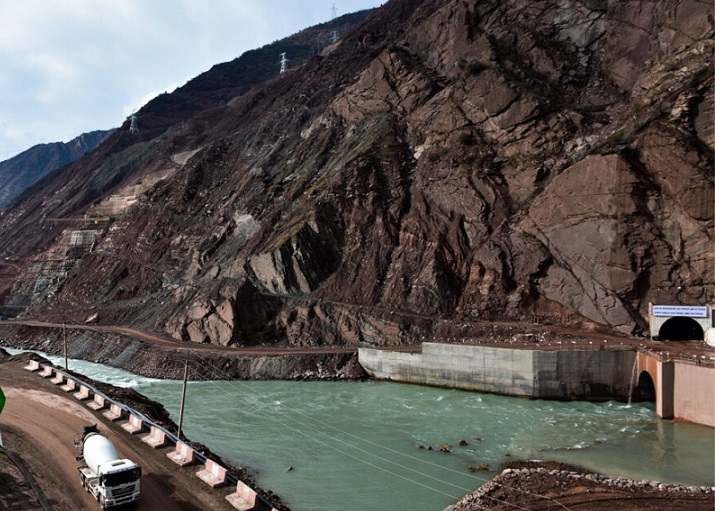
Rogun is Tajikistan’s largest energy project. Once completed, its six units are expected to generate over 13.1 billion kWh annually. Two 600 MW units are already operational, and full completion is planned by 2031. The plant is set to become Central Asia’s largest hydroelectric facility.