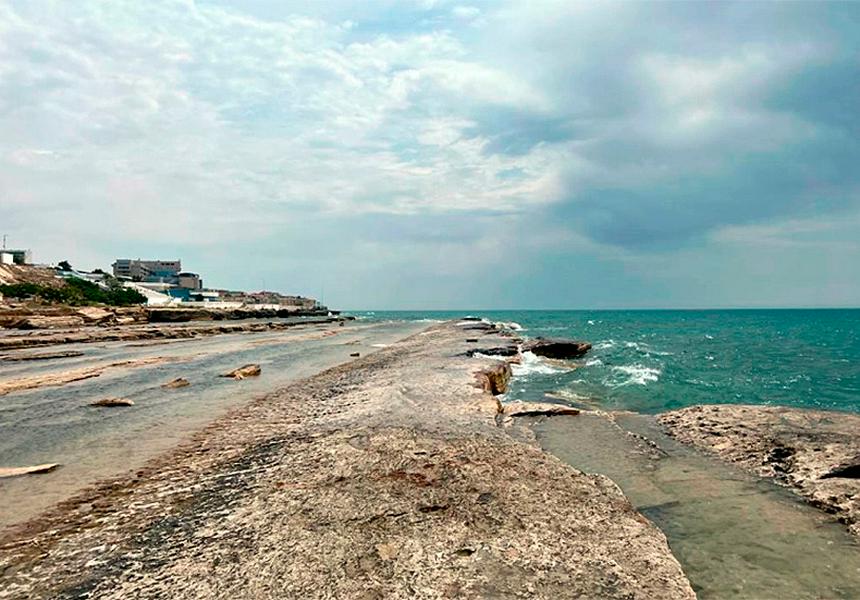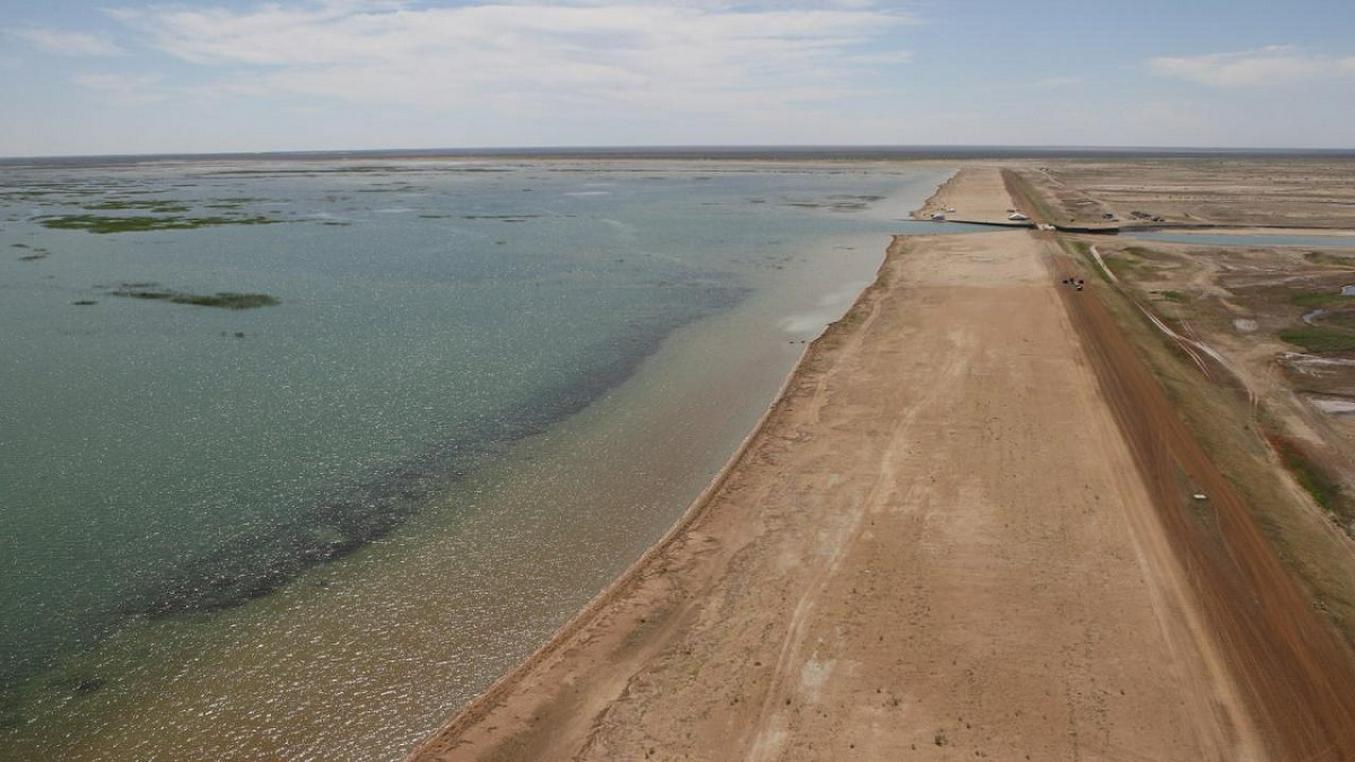
Kazakhstan's authorities plan to raise the water level in the North Aral Sea to 44 meters, the government's press service reports.
Over the next five to six years, the authorities aim to increase the water surface area to 3,900 square kilometers and the water volume to 34 billion cubic meters. These targets are set out in the next stage of the North Aral Sea restoration project, which the government developed jointly with the World Bank. The plan provides for the reconstruction of the Kokaral Dam and a set of measures to use water resources more efficiently.
The North Aral Sea currently holds 23.4 billion cubic meters of water. In 2022, the figure was 19 billion cubic meters, rising to 21 billion in 2023, 22 billion in 2024 and 23 billion by the end of 2025.
The authorities attribute the increase to systematic work carried out over more than 20 years. During that time, the sea's surface area has grown by 36%, its water volume has almost doubled, and salinity has fallen by half. According to the government, this has helped restore the reservoir's ecosystem.
To maintain these gains, the Ministry of Water Resources and Irrigation plans to channel at least 2 billion cubic meters of water into the North Aral Sea through the Syr Darya every year.
Kazakhstan is also continuing to restore vegetation on the exposed bed of the Aral Sea. So far, 3,400 tons of saxaul and halophyte seeds have been sown, and 56.2 million saxaul seedlings have been planted. Forest restoration work now covers 1.1 million hectares. By presidential order, the area of saxaul and other plantations is to be expanded to 1–1.5 million hectares.
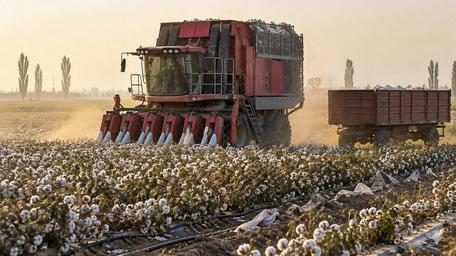
The Aral Sea is a former endorheic salt lake in Central Asia, straddling the border of Kazakhstan and Uzbekistan. Its level began to fall rapidly in the 1960s, partly because water was diverted from its main feeder rivers, the Amu Darya and Syr Darya, for irrigation. In 1989, the sea split into two separate bodies of water: the North (Small) Aral Sea and the South (Large) Aral Sea. Its desiccation became an environmental catastrophe for all of Central Asia and caused serious socioeconomic damage across the region.