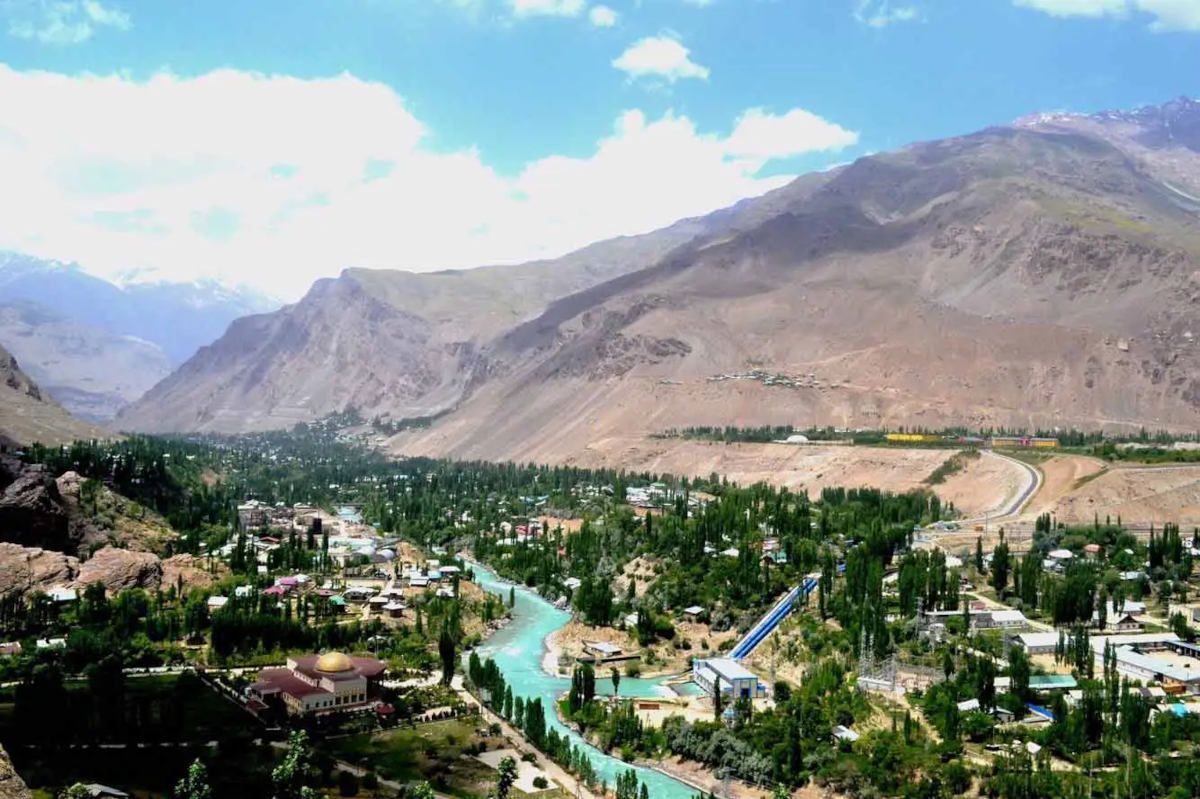
More than 50,000 people have left Tajikistan’s Gorno-Badakhshan Autonomous Region (GBAO) over the past four years, according to an estimate by the Memorial Human Rights Defence Centre cited by the Tajik service of Radio Azattyq. The organization’s experts believe the exodus stems not only from economic hardship, but also from the fallout of the 2021–2022 protests and the subsequent government crackdown.
Memorial expert Olga Abramenko acknowledged that the figure might raise questions given the scarcity of official migration data from Tajikistan and Russia. Nonetheless, she considers the estimate credible. Independent studies, she noted, show a sharp spike in migration to Russia in late 2021 and throughout 2022, pointing to clear external drivers behind the surge.
Abramenko authored a study on rights violations against the indigenous Pamiri population, presented this year to the UN Human Rights Committee. She noted that while Badakhshan residents had long emigrated due to economic hardship, departures turned into a mass exodus following the unrest and subsequent repression. Disentangling those fleeing persecution from those seeking work is impossible, she added, as labor migration has long served as both a survival mechanism and an escape from a repressive climate.
Protests in Badakhshan erupted in late 2021 after security forces killed local resident Gulbiddin Ziyobekov during an operation. In the spring of 2022, demonstrations broke out again, only to be crushed by security forces. Dozens were killed or injured, and hundreds were imprisoned, including civil society activists and journalists.
Authorities maintain they dismantled illegal armed groups that terrorized local residents. However, human rights organizations and Western governments have condemned Dushanbe for using excessive force. Human Rights Watch reports that police allegedly killed up to 40 people in May 2022, while 205 local residents received prison sentences following closed-door trials.
Badakhshan analyst Khurshed Khurramov argues the exodus must be viewed through the lens of the authorities’ treatment of Pamiris. Citing international organizations, he noted that over 300 Pamiris remain behind bars. The Pamiris are ethnically, linguistically, and religiously distinct from the rest of Tajikistan’s population: they practice Ismaili Islam and speak languages distinct from Tajik. Memorial’s report states that authorities view them as «non-traditional Muslims,» subjecting them to discrimination. UN bodies have previously pressed Dushanbe on why Pamiris are not recognized as a national minority to help safeguard their culture. In 2023, Justice Minister Muzaffar Ashuriyon responded that the government does not consider them a minority because they are «indigenous Tajiks."
The issue surfaced again on November 5, 2026, in Geneva during Tajikistan’s Universal Periodic Review. As the UN Human Rights Office reports, the working group is scheduled to adopt its final recommendations on November 13. Brazil’s envoy urged Dushanbe to better protect minority rights, particularly in GBAO, guarantee freedom of assembly and expression, and impartially investigate excessive force against demonstrators. Opposition politician Alim Sherzamonov, a Badakhshan native, agreed that his compatriots face discrimination, though he argued rights abuses affect all citizens across Tajikistan, regardless of ethnicity.