 Photo: AP
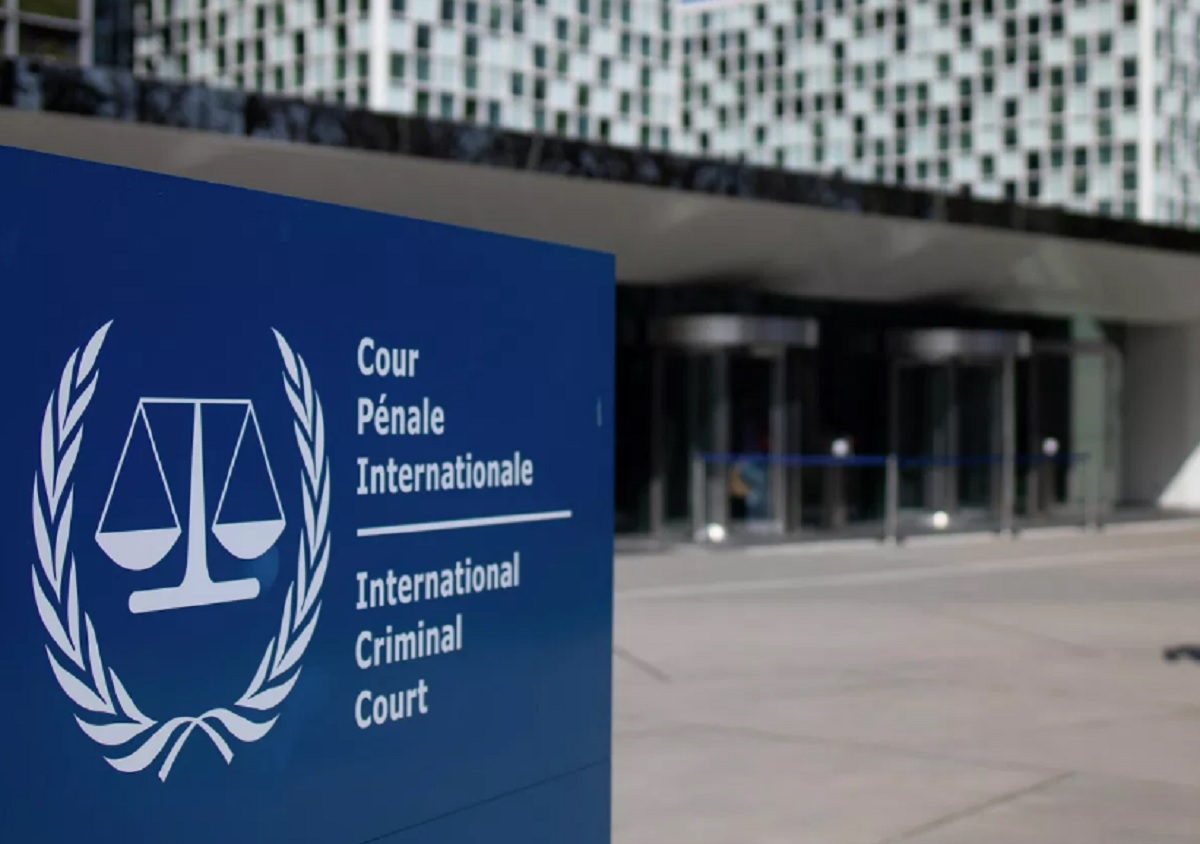
Tajikistan has formally notified the United Nations of its withdrawal from the International Criminal Court (ICC), TASS reported, citing UN Secretary-General António Guterres.
The UN received the official notification from Dushanbe on November 20. Under court regulations, the decision will take effect one year from receipt, on November 20, 2027.
Tajikistan signed the ICC Rome Statute in 1998 and ratified it in 2000. In September of this year, a withdrawal bill was submitted to the lower chamber of parliament, and lawmakers approved the resolution on October 1.
Until 2024, Tajikistan was the only CIS member state belonging to the International Criminal Court.
In March 2023, the ICC issued an arrest warrant for Russian President Vladimir Putin. Since then, Putin has made multiple official visits to Dushanbe without facing enforcement action, most recently on November 19–20. European Union officials subsequently voiced regret over Tajikistan's failure to uphold its Rome Statute obligations.
An official statement from the European External Action Service emphasized that crimes falling under the Rome Statute that threaten global peace, security, and well-being must not go unpunished.
Meanwhile, Tajik President Emomali Rahmon has also been named in proceedings before the court. In April 2025, three non-governmental organizations—the Islamic Renaissance Party of Tajikistan, the Ukrainian Internationalist Volunteers Foundation, and Freedom for Eurasia—filed a complaint against him with the ICC.
The petitioners accused Rahmon of crimes against humanity, citing arbitrary detentions, torture, sexual violence, abductions, and extrajudicial killings. They urged the ICC to open an investigation into Tajik authorities, including the president, and hold them accountable.
Several major powers have declined to participate in the court, including Russia, the United States, and China. The ICC operates independently of the UN and answers solely to states that have ratified the Rome Statute, which currently counts more than 120 member nations. Elsewhere in Central Asia, Kazakhstan and Turkmenistan do not participate, while Kyrgyzstan and Uzbekistan signed the founding treaty without ratifying it.