 Photo via newsroom24.ru
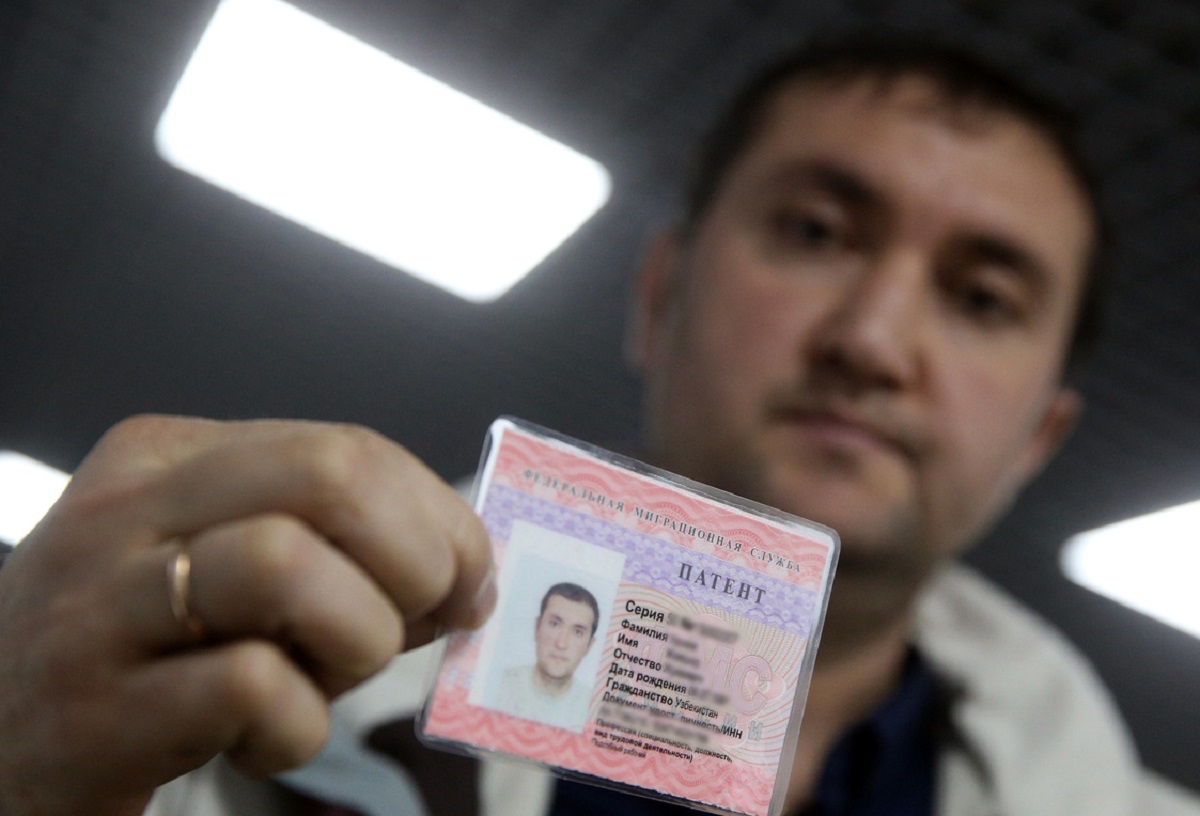
Starting January 1, 2027, the cost of a work patent for foreign employees in Moscow will increase to 11,000 and 15,600 rubles, depending on employer status. The Moscow City Duma approved the corresponding tax amendments, TASS reports.
The agency notes that the work patent for migrant laborers working in the Russian capital currently costs 10,000 rubles ($121) per month. This advance payment keeps the permit valid.
Beginning next year, workers will face steeper fees:
✅ 11,000 rubles ($133) per month for migrants employed by companies, sole proprietorships, or private practitioners;
✅ 15,600 rubles ($189) per month for foreign nationals working for individuals for personal or domestic needs.
Lawmakers also established minimum income thresholds for migrant workers supporting themselves and their households for the first time. For families of up to two people, the threshold sits at 60,000 rubles ($729) per month. For families of three or more, it reaches 80,000 rubles ($972).
The Moscow City Duma added that the newly passed amendments affect five municipal laws and reflect updated federal requirements.
In early November, Gleb Ryvkin, founder of the MigraForma platform, noted in an exclusive interview with Fergana that obtaining a patent in Moscow initially costs around 35,000 to 36,000 rubles (roughly $440) for comprehensive processing, including the Russian language exam, medical screening, and other paperwork.
However, Ryvkin based his estimates on current fee structures. Consequently, expenses will rise starting January 1, 2027. The total increase remains uncertain, as the Sakharovo Migration Center, which issues work permits for the capital, has yet to announce updated service fees.
ℹ️ Migrants from visa-exempt countries must secure a work patent to work legally in Russia. Citizens of Tajikistan, Turkmenistan, and Uzbekistan, among others, must obtain this authorization. Nationals of Eurasian Economic Union member states, including Kyrgyzstan and Kazakhstan, remain exempt.
The permit remains valid only in the designated region and the specific industries listed on it. Each Russian federal subject determines its own patent pricing independently.